Padel racket shapes explained: round, teardrop and diamond
As an Amazon Associate, Padel Fit earns from qualifying purchases.
Clicking "Check price on Amazon" takes you to Amazon at no extra cost to you.
Walk into any padel shop and you'll see three silhouettes on the wall: round, teardrop and diamond. Shape is the fastest way to understand what a racket is trying to do, because it tells you where the weight and the sweet spot sit - and that changes how the racket behaves more than almost any other spec.
Here's what each shape means in practice, and the honest truth about which one most players should buy.
Round: control and forgiveness
A round racket carries its weight low, close to the handle, with a large sweet spot in the centre of the face. The result is a racket that's easy to swing, easy to time, and forgiving when you don't strike the ball cleanly - which, for most of us, is often.
Who it suits: beginners and improvers, players who build points with lobs and placement rather than power, anyone coming back from arm discomfort who wants an easy-swinging, comfort-first racket, and frankly a lot of intermediate players who'd score better with more control.
The trade-off: you supply the power. Smashes take more physical effort because the racket isn't helping with head weight.
Teardrop: the middle path
A teardrop moves the balance and sweet spot up the face a little. You get meaningfully more punch on volleys and smashes than a round racket, while keeping a decent-sized sweet spot and manageable swing. It's the "have most of both" shape.
Who it suits: improving players who've developed reliable technique and want more reward on attack, and all-court players who don't want to commit to either extreme.
The trade-off: slightly less forgiveness than round, slightly less raw power than diamond. It's a compromise in the best sense.
Diamond: power, for a price
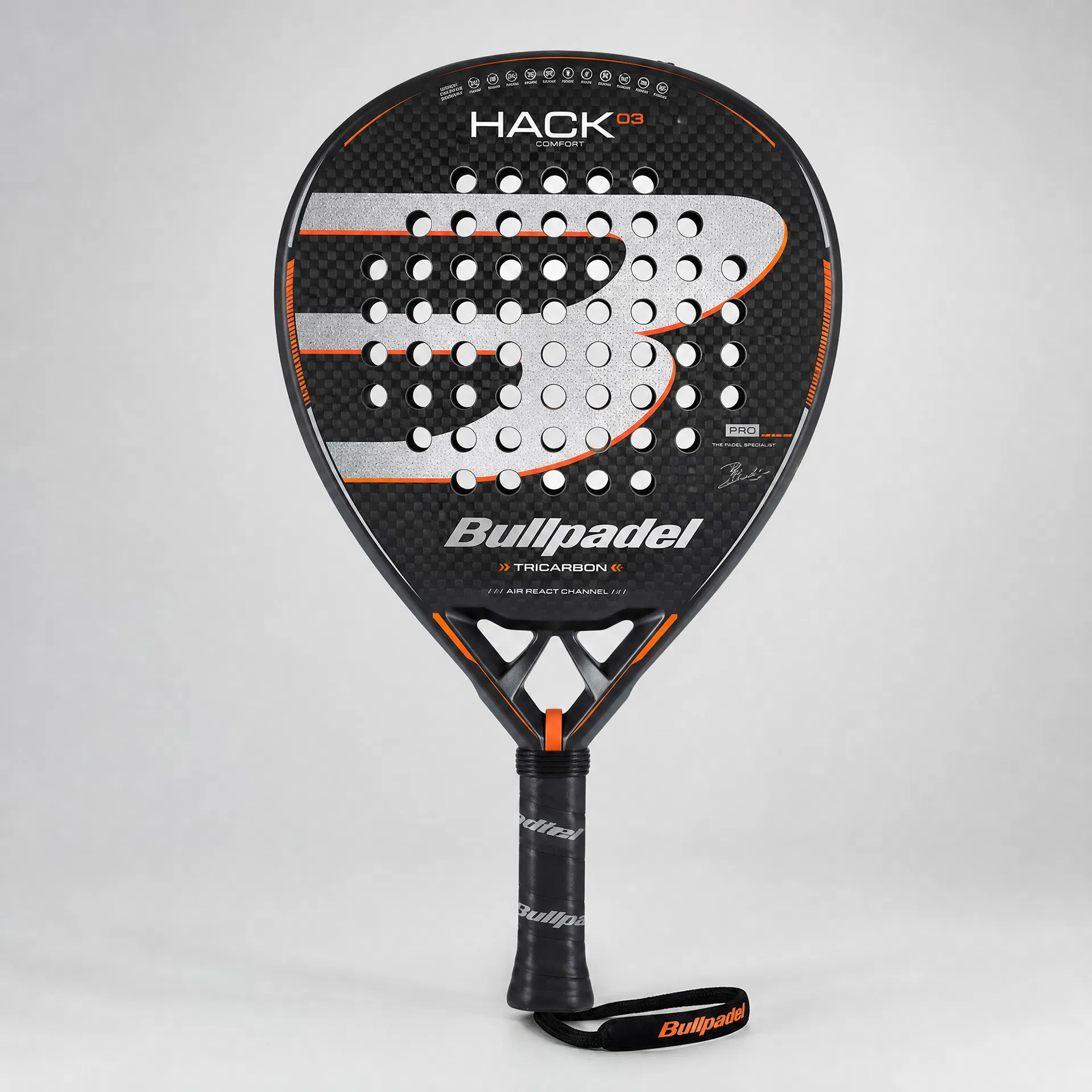
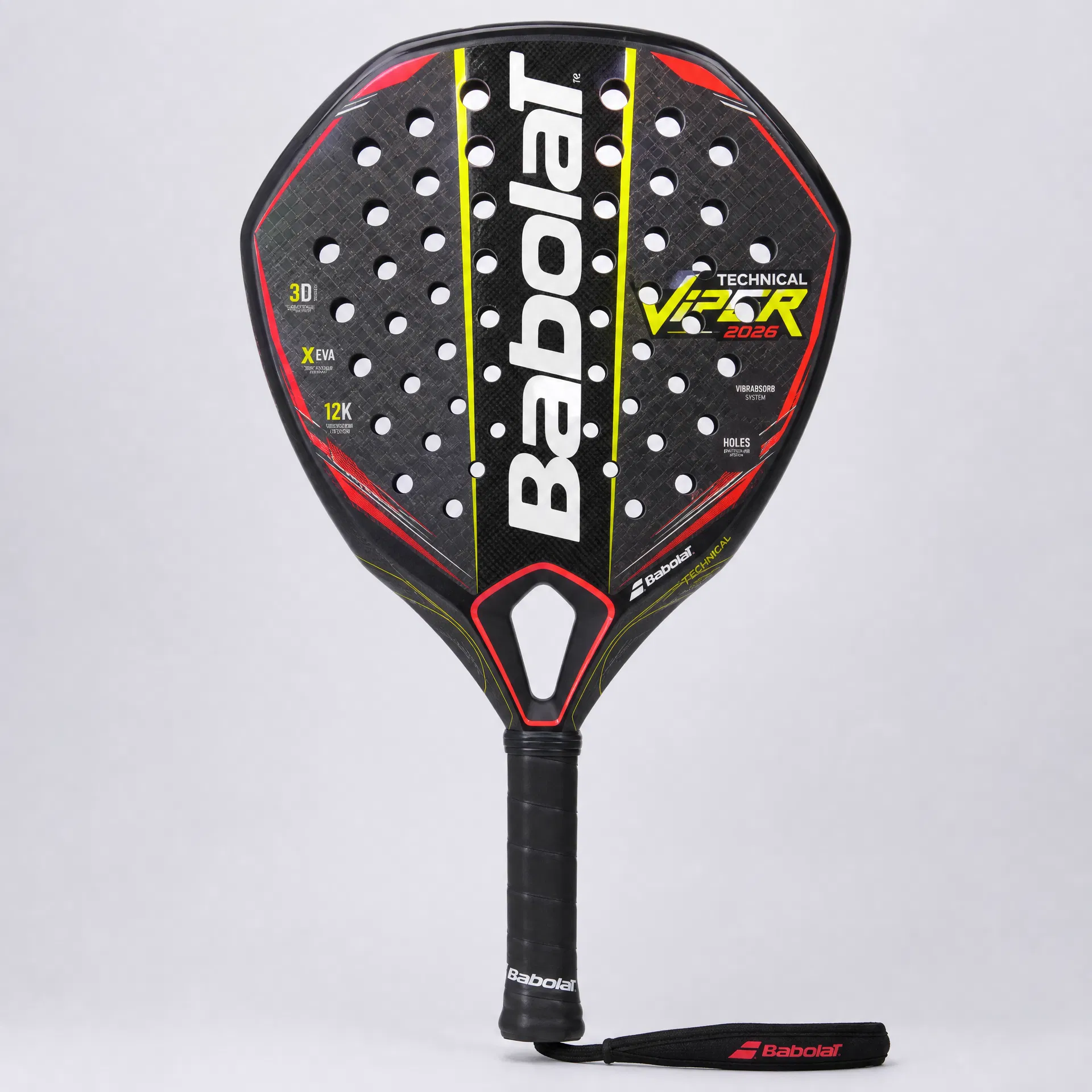
A diamond racket is top-heavy with a smaller sweet spot high on the face. Struck well, it delivers the most powerful smashes and the heaviest volleys. Struck badly - and mishits are more common because the sweet spot is smaller and higher - it punishes you, and the head-heavy balance asks more of your shoulder and elbow over a long match.
Who it suits: advanced, attacking players with grooved technique who finish points at the net. Rackets like the Bullpadel Hack line - famously used at the top of the professional game - and Babolat's Technical Viper are classic examples of this attacking profile.